
Why Back Pain Keeps Returning
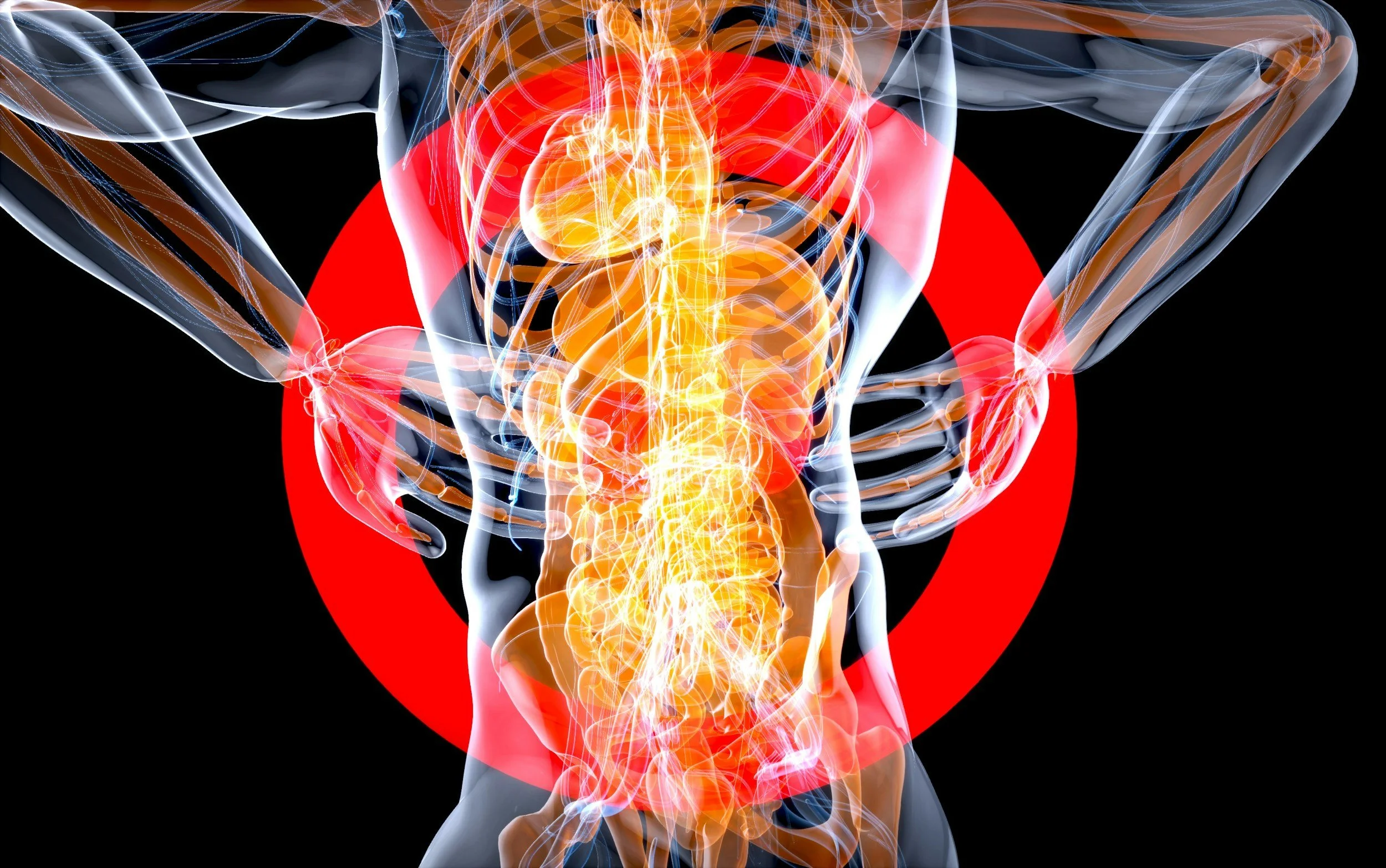
Back pain keeps coming back after you feel better? Learn what to review in your activity, recovery and care plan with Move RX in Kelowna.
Why Does My Back Pain Keep Coming Back?
Recurring back pain deserves a review of the pattern, the diagnosis and what happens between episodes. Relief is useful, but feeling better for a few days does not always mean you have returned to the demands that previously triggered symptoms.
There may be several contributors. A recurring flare-up does not prove that your spine is out of place, your core is weak or you need the same treatment indefinitely.
Map the pattern before changing everything
Think about the last few episodes. What were you doing beforehand? Did symptoms follow a return to heavier lifting, several golf rounds or a demanding week at work? Were the episodes similar or did the most recent one feel different?
Useful patterns can emerge without assigning a single cause. Bring them to an assessment so the next plan is based on more than the location of pain.
Review the return after relief
One common planning gap is the jump from reduced symptoms to full activity. If you go straight from a quiet week to your previous workload, you may not know what capacity you have rebuilt.
Agree on a progression and a way to judge it. That may include a manageable gym session, a repeatable walking route or a staged return to golf. The details should reflect the condition and your goals.
Give the active part of care a purpose
Exercise should not be a collection of movements you were handed without context. Ask what each exercise is intended to improve and how it will progress towards the activity you want to do.
For persistent low back pain, exercise can be part of evidence-informed care. It still needs to be workable in your life. A demanding programme you cannot complete is not a useful answer to a consistency problem.
Reassess if the pattern changes
Different symptoms, increasing limitation or lack of progress should prompt review. It is reasonable to ask whether the working diagnosis still fits, whether other care is needed and whether the current plan is producing meaningful change.
New bladder or bowel changes, saddle-area numbness or progressive leg weakness require urgent medical care. Significant trauma or fever with back pain also needs prompt medical assessment.
Does recurring pain mean I need ongoing treatment forever?
No one should make that conclusion simply because symptoms recur. A plan should explain the purpose of treatment, the expected review point and what you can manage independently.
For what to do during an episode, read Low Back Pain: Should You Rest or Keep Moving?.
Want to review the cycle? Book an assessment through Move RX's chiropractic page. If structured training is appropriate, discuss whether STRONG coaching fits the next stage.
The Canadian chiropractic low-back-pain guideline discusses conservative care options. It does not establish the cause of an individual's recurrent symptoms.