Returning to Strength Training
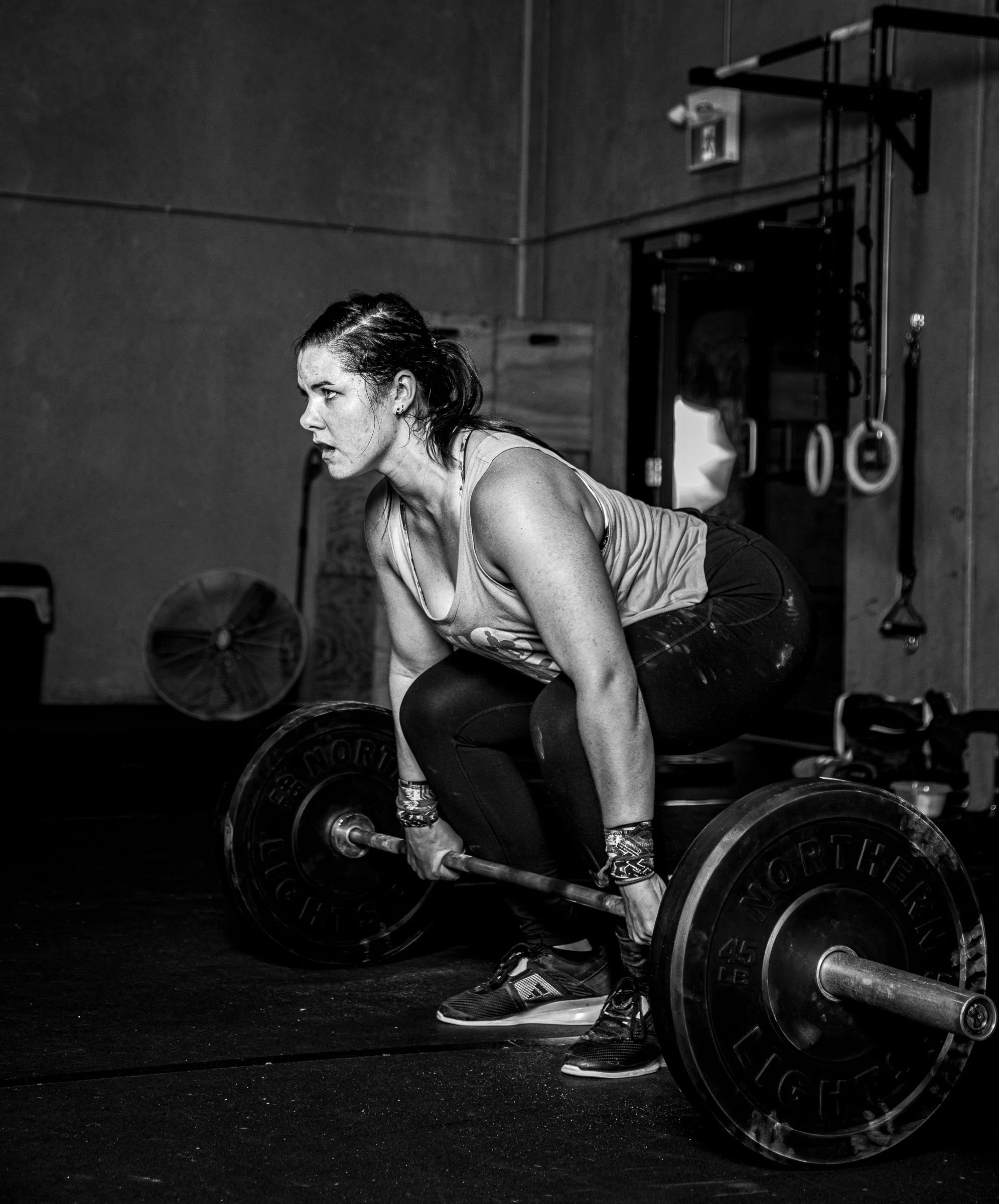
Returning to the gym after a long break? Build a manageable strength routine, choose your starting loads and progress without chasing old numbers.
Returning to Strength Training After a Long Break
Returning to strength training works best when your starting programme reflects what you can do now. Your previous personal bests can be part of your history without becoming the standard for your first week back.
Whether the break came from injury, parenting, work or simply losing your routine, the first goal is repeatable training. You want to finish a session and still be able to show up for the next one.
Decide what you can actually repeat
Start with the number of sessions that fits your real calendar. Two planned sessions you consistently complete may be more useful than five sessions that disappear during a busy week.
Keep the first workouts simple enough to understand and short enough to finish. You can expand later if your schedule and recovery support it.
Choose loads from your current ability
Use a weight you can control while leaving some repetitions in reserve. Rebuild familiarity with the exercise before treating the session as a test.
For example, someone returning to dumbbell training could begin with a small set of familiar movements, write down the loads and review the response before increasing them. The purpose of the log is to give you a starting point, not to compare yourself with last year's numbers.
Change one part of the session at a time
More weight, more sets, more exercises and more training days all increase demand. Changing everything at once makes it difficult to know what you tolerated.
Once your current routine is manageable, choose a clear next step. That could be a modest load increase, an extra set or a slightly longer session. The appropriate progression depends on the exercise and your response.
Distinguish soreness from a problem
Some muscle soreness can follow unfamiliar training. Severe symptoms, significant swelling, new weakness or pain that repeatedly alters how you move should not be dismissed as the cost of getting fit.
After surgery or a significant injury, your rehabilitation guidance takes priority over a general gym restart plan. If recurring symptoms have stopped previous attempts, an assessment can help clarify what needs changing.
What if I used to be very strong?
Your experience is useful. It may help you understand technique and training structure. It does not remove the need to rebuild tolerance to the workload you have stopped doing.
Think of the first phase as collecting useful information: what you can complete, how you recover and what fits your life. That gives the next phase a foundation.
Want a programme built around your current starting point? Explore STRONG coaching by Move RX and ask whether it fits your goals, equipment and schedule.
ACSM's resistance-training position stand supports resistance training for healthy adults. A return after illness, surgery or injury may require different clinical guidance.