
Shockwave for Plantar Fasciitis
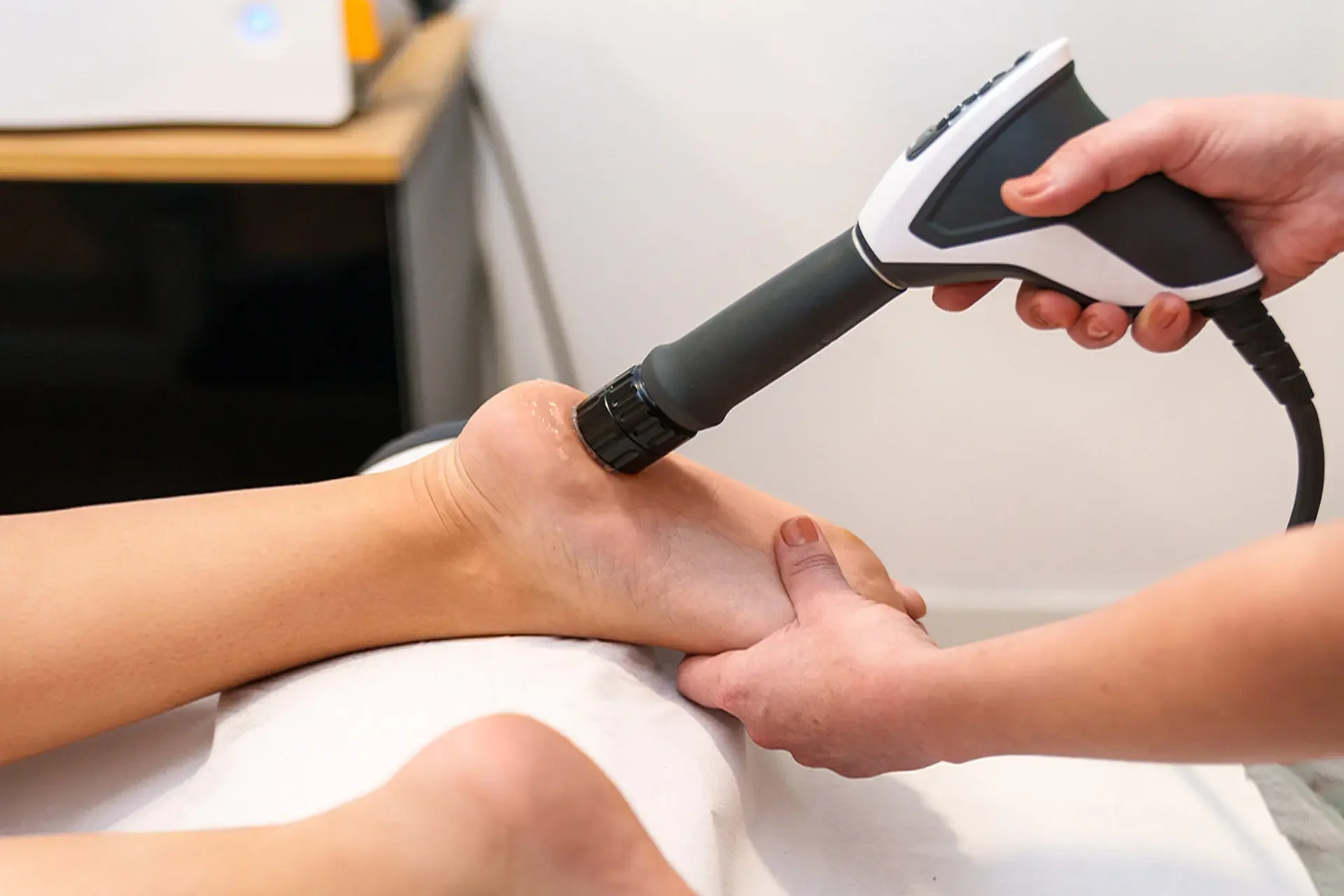
Considering shockwave for plantar fasciitis in Kelowna? Learn about assessment, treatment expectations and how it fits into a heel-pain plan.
Shockwave for Plantar Fasciitis: What to Expect
Shockwave therapy is one option that may be considered for persistent plantar heel pain after assessment. It is not the automatic next step for every sore heel, and it should come with a clear explanation of its expected benefits, limitations and alternatives.
If you are looking for shockwave therapy for plantar fasciitis in Kelowna, start with the diagnosis and the plan around treatment.
First, confirm what is causing the pain
Plantar fasciitis is a common explanation for pain under the heel, particularly with the first steps after rest. But heel pain can also involve other structures or conditions.
An assessment should review where the pain occurs, how it behaves, what activities have changed and what treatments you have already tried. Imaging is not automatically required for every case; a clinician should explain whether it would change the decision.
What happens during shockwave treatment?
Shockwave uses an applicator to deliver acoustic pressure waves to the treatment area. Focused and radial devices differ, and protocols vary. Ask what device is being used, why it is appropriate and what the proposed course involves.
Treatment can be uncomfortable. Temporary soreness, redness or bruising may occur. Your practitioner should discuss relevant risks, your medical history and reasons the treatment may be unsuitable before you consent.
What does the research mean for you?
Research on plantar fasciopathy suggests shockwave can improve symptoms in some patients. Results vary across studies and treatment protocols. A positive research finding is not a promise that your heel pain will resolve or that a particular number of sessions will work.
The useful question is: what would count as worthwhile improvement in your case, and when will you reassess?
Keep the activity plan in view
Treatment should also address what happens between appointments. That may include adjusting walking or running demand, discussing footwear and progressing suitable exercises.
If walking feels easier after a session, it does not automatically mean you are ready for a long hike or your usual running week. Agree on the next step rather than repeatedly testing the heel with a large jump in activity.
How many sessions will I need?
There is no honest universal answer. The recommendation should follow assessment, the treatment protocol and your response. Ask about cost, alternatives, review points and what happens if you are not improving before starting.
If you cannot bear weight, have significant swelling after an injury or develop redness with fever, seek prompt medical assessment rather than booking a routine treatment session.
Considering shockwave? Read about shockwave therapy at Move RX and arrange an assessment to discuss whether it belongs in your heel-pain plan.
Efficacy and tolerability of shockwave in plantar fasciopathy reviews trial evidence. Applicability depends on the patient, device and protocol.